
Your Daily Soul Quote: Talent alone won’t make you a success. Neither will being in the right place at the right time, unless you are ready. The most important question is: “Are you ready?” — Johnny Carson
Author: systems
-
7-21-25
Your Daily Soul Quote: You get to choose what monsters you want to slay. I’m sorry to say this again, but let’s face it – the Force is with you. — Carrie Fisher
-
7-19-25
Your Daily Soul Quote: Sometimes a loss is the best thing that can happen. It teaches you what you should have done next time. — Snoop Dogg
-

Poll Results: Do You Believe the U.S. Should Prioritize America First Spending Policies?
Poll Results
YES: 89% | NO: 11%
In our America First Survey, we asked:
“Do you believe the U.S. should prioritize America First spending policies?”
This question speaks directly to ongoing national debates about government spending — specifically, whether taxpayer funds should focus on solving domestic issues before being used for foreign aid, international development, or overseas defense efforts.
Here’s how respondents answered:
- Yes: Focus on America First 89%
- No: Focus on International Policies 11%
Why This Question Matters
The U.S. spends hundreds of billions of dollars annually on foreign assistance, military support for allies, international organizations, and global health programs. In recent years, an “America First” approach has gained popularity — arguing that tax dollars should be directed to domestic priorities like infrastructure, healthcare, education, border security, and veterans’ care before being sent abroad.
The question of how to strike a balance between national interest and global leadership continues to shape political platforms and federal budgets.
Arguments from Those Who Said “Yes – Prioritize America First”
- Fix Home First:
Many respondents believe it’s time to focus spending on struggling communities at home — from homelessness and healthcare to infrastructure and schools. - Foreign Aid Fatigue:
Voters question why the U.S. continues to send billions overseas when domestic issues like inflation, veteran care, and public safety remain unresolved. - Accountability and Waste:
Critics argue that much foreign aid is mismanaged or ends up in the hands of corrupt regimes, with little oversight or return on investment for American taxpayers. - National Sovereignty and Priorities:
Supporters say that elected officials are first and foremost accountable to American citizens — not to international institutions or foreign governments. - Public Sentiment Is Shifting:
Multiple polls and political trends suggest increasing public support for cutting foreign aid in favor of solving pressing problems at home.
Arguments from Those Who Said “No – Maintain Global Commitments”
- Global Stability Benefits the U.S.:
Supporters of international spending argue that foreign aid and strategic partnerships prevent instability, war, and migration crises — all of which can affect America directly. - Soft Power and Diplomacy:
Foreign assistance strengthens U.S. alliances, promotes democracy, and supports trade relationships that benefit the economy long-term. - Humanitarian Responsibility:
Some believe the U.S. has a moral obligation as a global leader to assist nations facing famine, conflict, or natural disasters. - National Security Partnerships:
Foreign military aid (like to Ukraine or Israel) is often viewed not just as charity, but as a strategic investment in America’s own defense interests. - It’s Not All or Nothing:
Opponents of the “America First” model argue that the U.S. can still address domestic needs while maintaining a role in global leadership — it’s about balance, not withdrawal.
Conclusion
According to this poll, a strong majority of respondents support “America First” spending policies, favoring domestic priorities over foreign aid and international commitments. Still, a vocal minority believes that American leadership abroad is essential for long-term national interests.
As fiscal pressures grow and international challenges mount, the debate over where and how to invest American tax dollars is only becoming more urgent.
-

Poll Results: Do You Believe the U.S. Strikes Successfully Halted Iran’s Nuclear Program?
Poll Results
YES: 91% | NO: 9%
In this foreign policy survey, we asked readers:
“Do you believe the U.S. strikes successfully halted Iran’s nuclear program?”
This question comes after a recent and dramatic escalation in U.S. military engagement with Iran, following intelligence reports of increased nuclear activity. The strikes — launched in coordination with regional allies — targeted known nuclear development and military infrastructure. Officials claimed the mission was a preemptive measure to deter Iran’s nuclear ambitions.
Here’s how voters responded:
- Yes: The Strikes Were Successful 91%
- No: Strikes Were Not Successful 9%
Why This Question Matters
Iran’s nuclear capabilities have been at the center of U.S. foreign policy for over two decades. Critics of past diplomatic efforts claim Iran has continually advanced its program despite sanctions and agreements. The recent U.S. strikes represent a significant military intervention aimed at rolling back that progress — but whether it worked remains a point of debate.
Arguments from Those Who Said “No – The Program Continues”
- Iran Has Rebuilt Before:
Critics argue that Iran has a long history of recovering quickly from setbacks. Even if some infrastructure was damaged, the expertise and intent remain intact. - Lack of Verified Evidence:
Respondents say there’s been no clear, independent confirmation that the strikes destroyed core nuclear facilities. Without proof, claims of “success” may be premature or political. - Motivates Retaliation, Not Compliance:
Some believe military strikes only strengthen Iran’s resolve to pursue nuclear weapons in secret — as a deterrent against future attacks. - Underground and Dispersed Assets:
Iran has reportedly hardened and hidden key elements of its nuclear program, making it unlikely that strikes alone could permanently halt progress. - Temporary Setback at Best:
Even if successful in the short term, many believe the strikes will at most delay — not end — Iran’s nuclear ambitions.
Arguments from Those Who Said “Yes – The Strikes Were Effective”
- Clear Message Delivered:
Supporters argue the strikes sent a powerful message: the U.S. will not allow Iran to cross a nuclear threshold without consequences. - Military Precision and Intelligence:
Pentagon sources claim the strikes were guided by fresh intelligence and effectively hit their intended targets — reportedly disabling centrifuge operations and uranium enrichment facilities. - Prevention Through Force:
Some voters feel that diplomatic efforts have repeatedly failed, and that decisive military action is the only language Iran respects. - Stabilizing Regional Alliances:
Proponents say the strike reassured allies like Israel, Saudi Arabia, and Jordan, who have long feared unchecked Iranian nuclear development. - Delays Can Still Save Lives:
Even a delay of months or years in nuclear progress is seen by some as worthwhile — buying time for new diplomatic or strategic approaches.
Conclusion
According to this poll, a majority of respondents believe the U.S. strikes did not successfully halt Iran’s nuclear program. While many support the show of force, skepticism remains about whether military action alone can stop a decades-old ambition.
As tensions in the region continue, the long-term effectiveness of this strike — and the potential for escalation — remain key questions facing the U.S. and its allies.
-

Poll Results: Do You Support President Trump’s ‘One Big, Beautiful Bill’ as the Right Plan for the U.S.?
Poll Results
YES: 84% | NO: 16%
In our recent survey, we asked:
“Do you support President Trump’s ‘Big, Beautiful Bill’ as the right plan for the U.S.?”
This question refers to the sweeping One Big Beautiful Bill Act (OBBBA)—House-passed in May 2025—which consolidates tax cuts, border security funding, military spending, and welfare rollbacks in a single legislative package.
Here are the results:
- Yes: I Support The Bill 84%
- No: I Don’t Support The Bill 16%
Why This Matters
The OBBBA is one of the most expansive pieces of reconciliation legislation in recent memory. It permanently extends the 2017 tax cuts, makes significant funding changes—such as boosting the military and border security, while cutting Medicaid, SNAP, green energy incentives, and limiting state-level AI rules.
Critics and supporters are sharply divided on its fiscal impact, political strategy, and long-term consequences.
Arguments from Those Who Supported It
- Stabilizing Tax Cuts:
Supporters say making the 2017 tax reforms permanent—including exemptions for tips, overtime, and child tax credits—provides certainty for American families and boosts after-tax earnings. The White House claims typical households could see $13,300 more in take-home pay and $11,600 in higher wages. - Economic Growth Projections:
The bill is projected by supporters to increase GDP by 5.2% over the next four years and create up to 7.4 million full-time jobs — fostering a long-term pro-growth economic agenda. - Strong on National Security:
With an additional $150 billion in military spending and $50 billion toward a border wall, many see this as a decisive approach to defense and immigration enforcement. - Bipartisan Flexibility:
The bill was passed via reconciliation, bypassing the Senate filibuster and allowing for significant conservative objectives—often framed as historic legislative progress.
Arguments from Those Who Opposed It
- Skyrocketing Deficit Impact:
Non-partisan analysts such as the CBO forecast the bill could add $2.4–2.8 trillion to the national debt over the next decade, raising alarms about fiscal sustainability. - Cuts to Healthcare and Safety Nets:
The bill imposes substantial reductions to Medicaid, SNAP, and subsidies under the ACA, potentially resulting in up to 10.9 million more uninsured Americans—with Texas and other states standing to lose tens of billions . - Boondoggle Spending Offsets:
Critics say the economic boost forecast is overly optimistic and amounts to budget gimmickry, not addressing the structural deficit. - Overreach on AI & Gun Rules:
The bill includes a 10‑year federal ban on state-level AI regulation, and loosens rules on silencers and firearms—changes that have drawn criticism even from some on the right .
In Summary
Based on this poll, a solid majority (79%) support the One Big Beautiful Bill as the right plan for the U.S., believing it delivers economic growth, tax certainty, and strong national defense. Meanwhile, 21% oppose it—citing concerns about deficits, safety-net cuts, and overreach.
Whether the bill becomes law hinges next on Senate negotiations and whether lawmakers decide to alter or remove key provisions ahead of the July 4 deadline.
-

Poll Results: Has Illegal Immigration Been Stopped Since Trump Took Office?
Poll Results
YES: 83% | NO: 17%
In our latest Border Security Poll, we asked readers:
“Has illegal immigration been stopped since Trump took office?”
This question reflects ongoing national debate over the effectiveness of immigration enforcement policies. The Trump administration campaigned on a platform of border security, including construction of a border wall, increased deportations, and stricter asylum procedures. Years later, many Americans are asking: Did those efforts actually stop illegal immigration — or simply slow it?
Here’s how respondents answered:
- No – Illegal Immigration Has Not Been Stopped: 17%
- Yes – It Has Been Stopped: 83%
Why This Question Matters
Illegal immigration remains a key issue in national politics — affecting debates over public safety, economic policy, national sovereignty, and humanitarian responsibility. While border policy changed dramatically under President Trump, the long-term impact of those changes continues to be evaluated by lawmakers, voters, and communities along the southern border.
This poll offers insight into how the public views the effectiveness of those efforts today.
Arguments from Those Who Said “No – It Has Not Been Stopped”
- Numbers Remain High:
Respondents point to continued illegal border crossings — including record surges during recent years — as proof that the problem hasn’t been fully addressed. - Incomplete Border Wall:
While parts of the wall were built, many note that it remains incomplete or poorly maintained. Smugglers and migrants have continued to find ways around physical barriers. - Inconsistent Enforcement:
Some argue that even during Trump’s presidency, immigration policy was slowed by legal battles, court injunctions, and resistance at the state and local level. - The Problem Is Ongoing:
Many voters believe that while Trump made progress, stopping illegal immigration entirely requires years of sustained effort, strong Congressional action, and a fully secure border. - Policies Reversed Too Quickly:
Some critics argue that progress made under Trump was reversed shortly after he left office, making it difficult to claim lasting success.
Arguments from Those Who Said “Yes – It Has Been Stopped”
- Sharp Decrease in Border Crossings During Trump Era:
Supporters note that illegal border crossings dropped significantly after policies like “Remain in Mexico” and Title 42 were implemented during Trump’s presidency. - Stronger Enforcement Tools Were Introduced:
Trump expanded the authority of ICE and Border Patrol, built new border wall segments, and implemented fast-track deportation for certain categories of migrants. - Discouraged Future Crossings:
Tougher rhetoric and enforcement are credited by some as deterring would-be migrants, especially during the early and middle years of Trump’s presidency. - Record Deportations:
Enforcement metrics during parts of the Trump administration showed significant increases in arrests and removals of undocumented individuals with criminal backgrounds. - Shift in Priorities:
Supporters argue that even if illegal immigration didn’t reach zero, the Trump administration marked a major shift in prioritizing border security as a central issue.
Conclusion
According to this poll, a clear majority of respondents believe that illegal immigration has not been fully stopped since Trump took office, although many still credit his administration with major policy shifts and enforcement gains.
As immigration remains a dominant issue in national politics, this question continues to shape debates about leadership, law enforcement, and the future of border security.
-

Poll Results: Do You Agree With Defunding the Police?
Poll Results
YES: 6% | NO: 94%
As part of our Law Enforcement Survey, we asked:
“Do you agree with defunding the police?”
Few topics have sparked as much public debate in recent years as the idea of defunding — or significantly reducing funding for — law enforcement agencies. Supporters of the movement argue for reimagining public safety by shifting funding to community services. Opponents believe cutting police budgets compromises public safety and punishes the vast majority of officers who serve honorably.
Here’s how voters responded:
- No – Do Not Defund the Police: 94%
- Yes – Defund the Police: 6%
Why This Question Matters
The defund movement gained national attention following high-profile incidents involving police use of force. Since then, cities across the country have debated whether to cut or reallocate law enforcement budgets. Some have moved forward with those efforts — only to later reverse course after rising crime or public backlash.
At the center of this issue are fundamental questions about safety, justice, trust, and what role police should play in American society.
Arguments from Those Who Said “No – Do Not Defund the Police”
- Public Safety Must Come First:
Opponents argue that reducing police budgets leads to slower response times, fewer patrols, and increased vulnerability in high-crime areas. - Communities Want More Police, Not Less:
Polling consistently shows that most residents — including in many underserved communities — want well-trained, accountable police officers, not fewer of them. - Crime Has Increased Where Funding Was Cut:
In cities where police budgets were reduced, many saw spikes in violent crime, leading some local leaders to restore or even increase funding later. - Defunding Demoralizes Law Enforcement:
Critics say the movement sends a damaging message to officers who risk their lives daily — and makes recruitment and retention more difficult. - Reform, Not Abandonment:
Many believe in reform and accountability, but argue that dismantling or weakening police forces is not the answer.
Arguments from Those Who Said “Yes – Defund the Police”
- Redirect Funds to Prevention and Social Services:
Supporters argue that a portion of police budgets should be reallocated to mental health services, housing programs, youth outreach, and addiction treatment — tackling the root causes of crime. - Over-Policing in Marginalized Communities:
Critics of current policing structures say low-income and minority neighborhoods often face aggressive policing for minor offenses, which breeds distrust and injustice. - Police Are Asked to Do Too Much:
Some believe that not every situation requires armed law enforcement. Shifting resources could allow more specialized responders — like mental health professionals — to handle appropriate cases. - Accountability Is Lacking:
Proponents say that many departments resist reform, and that financial pressure may be the only way to prompt meaningful change. - It’s Not About Abolishing Police:
Many who support “defunding” clarify that the term doesn’t mean eliminating the police — it means restructuring priorities for a more balanced approach to public safety.
Conclusion
According to this poll, a strong majority of respondents reject the idea of defunding the police, favoring reforms within existing departments rather than reducing or eliminating law enforcement budgets.
As communities continue to debate the future of policing, this issue remains one of the most emotionally charged and politically significant in the national conversation around justice, safety, and reform.
-

Poll Results: Should Illegal Immigrants Be Eligible for Welfare Benefits in the U.S.?
Poll Results
YES: 12% | NO: 88%
In this recent Spending Survey, we asked:
“Should illegal immigrants be eligible for welfare benefits in the U.S.?”
This question addresses one of the most debated issues in American politics: who should have access to taxpayer-funded assistance programs like food stamps, housing aid, or cash benefits. While some argue that welfare should be strictly limited to legal residents and citizens, others believe aid should be extended to anyone in need — regardless of legal status.
Here’s how voters responded:
- Yes – They Should Be Eligible: 12%
- No – They Should Not Be Eligible: 88%
Why This Issue Matters
Welfare programs are meant to provide a safety net for individuals and families in financial hardship. But with rising immigration and continued economic uncertainty, there’s growing debate over whether non-citizens — especially those in the U.S. unlawfully — should receive any portion of those benefits.
At its core, this issue reflects differing views on fairness, legality, compassion, and the proper use of taxpayer funds.
Arguments from Those Who Said “No – They Should Not Be Eligible”
- Public Funds Should Serve Citizens First:
Many respondents believe welfare benefits should be reserved for U.S. citizens and legal residents, especially during times of economic strain. - Incentivizes Illegal Immigration:
Critics argue that providing government assistance to those who entered the country illegally creates an incentive for others to do the same — putting additional pressure on social systems. - Strains Limited Resources:
Welfare budgets are not unlimited. Opponents worry that expanding benefits to undocumented immigrants could reduce support for struggling citizens and lawful residents. - Undermines the Rule of Law:
Offering taxpayer-funded assistance to those in the country unlawfully is viewed by many as a contradiction of immigration enforcement and national integrity. - Encourages Long-Term Dependency:
Some argue that such policies reduce the incentive to regularize immigration status or pursue legal avenues of employment and support.
Arguments from Those Who Said “Yes – They Should Be Eligible”
- Humanitarian Support Is Essential:
Supporters believe basic welfare — such as food, shelter, and emergency aid — should be offered to anyone in crisis, regardless of immigration status. - Helps Families, Including U.S. Citizens:
Many undocumented immigrants live in mixed-status households. Denying benefits could harm U.S.-born children who rely on that support. - Local and State Programs Already Exist:
Some states and cities have already created programs that provide limited benefits to undocumented residents, especially during health or housing crises. - Public Health and Safety Benefit Everyone:
Access to food, housing, and healthcare helps keep communities stable, reducing homelessness, malnutrition, and illness — which affects everyone, not just the recipients. - Long-Term Residents Contribute Too:
Many undocumented individuals have lived and worked in the U.S. for years and contribute to local economies. Supporters argue they should not be excluded from public safety nets.
Conclusion
According to this poll, a large majority of respondents oppose extending welfare benefits to illegal immigrants, citing fairness, legal integrity, and the importance of prioritizing citizens and lawful residents.
As the conversation around immigration and entitlement spending continues, this issue will remain a central flashpoint in how Americans define compassion, accountability, and public responsibility.
-
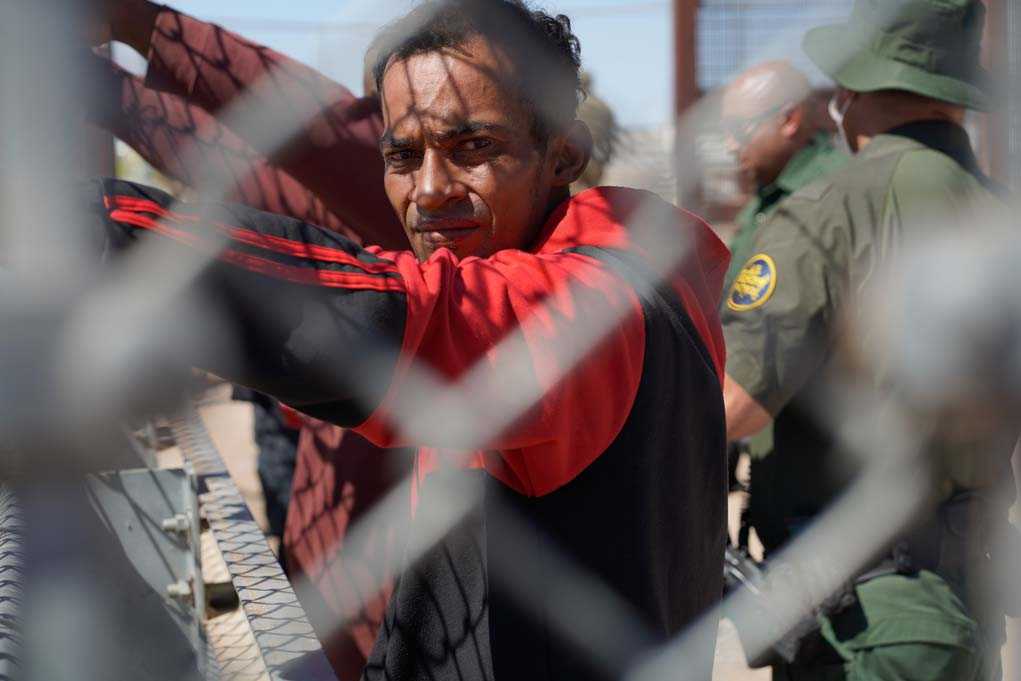
Poll Results: Should Illegal Immigrants Be Eligible for Unemployment Benefits in the U.S.?
Poll Results
YES: 14% | NO: 86%
In our latest immigration-focused poll, we asked readers:
“Should illegal immigrants be eligible for unemployment benefits in the U.S.?”
This question strikes at the core of immigration, labor, and entitlement policy in America. With some local and state governments exploring benefit expansions — and others tightening access — public opinion is sharply divided on whether individuals in the U.S. without legal status should qualify for taxpayer-funded jobless assistance.
Here’s how the poll results came in:
- No – They Should Not Be Eligible: 86%
- Yes – They Should Be Eligible: 14%
Why This Issue Matters
Unemployment benefits in the U.S. are designed to provide temporary financial assistance to workers who lose their jobs through no fault of their own — usually funded by taxes collected from employers and employees. The idea of offering these benefits to individuals who are not authorized to work in the country raises difficult questions about fairness, enforcement, and economic responsibility.
Some view this as an issue of dignity and fairness. Others see it as an unsustainable and unjust use of public resources.
Arguments from Those Who Said “No – They Should Not Be Eligible”
- Unemployment Is for Legal Workers:
Many respondents believe unemployment insurance should only apply to individuals legally permitted to work in the U.S. — and who have paid into the system. - Incentivizes Illegal Employment:
Critics argue that extending benefits to undocumented workers could encourage more under-the-table hiring and weaken immigration enforcement. - Burden on the System:
Unemployment systems in several states are already under financial pressure. Expanding access to individuals without legal work status could strain resources and reduce availability for citizens and legal residents. - Unfair to Taxpayers and Law-Abiding Immigrants:
Respondents often express frustration that individuals who followed the law and earned work authorization must compete with those who did not — yet may be offered similar government protections. - Conflict With Federal Law:
Opponents point out that offering jobless benefits to unauthorized workers could violate or conflict with existing federal labor and immigration laws.
Arguments from Those Who Said “Yes – They Should Be Eligible”
- Undocumented Workers Still Pay In:
Many undocumented individuals contribute to the unemployment system through payroll deductions under false or borrowed Social Security numbers — yet never collect. Some argue that if someone paid into the system, they should be able to benefit from it. - Support During Crisis Helps All:
In times of economic downturn or disaster (such as COVID-19), providing support to all workers — regardless of status — helps stabilize local economies and prevent homelessness, hunger, and public health issues. - Moral Responsibility:
Supporters believe that individuals who have worked, lived, and contributed to the U.S. — even without proper documentation — deserve basic protections in hard times. - Promotes Workplace Fairness:
Offering benefits may help prevent exploitation of undocumented workers, who are often hired in sectors that are vulnerable to layoffs and lack stability. - Local Control:
Some argue that states and cities should be able to decide for themselves how to handle unemployment benefits — especially in regions with large undocumented populations.
Conclusion
This poll shows that an overwhelming majority of respondents oppose extending unemployment benefits to illegal immigrants, primarily citing legal boundaries, system fairness, and concerns about incentivizing unlawful employment.
As America continues to debate the future of immigration and entitlement policy, this issue remains one of the most contentious — and closely watched — in the national conversation.
-

Poll Results: Should Illegal Immigrants Be Eligible for Social Security Benefits?
Poll Results
YES: 8% | NO: 92%
In this Immigration Survey, we asked readers:
“Should illegal immigrants be eligible for Social Security benefits?”
This question addresses a fundamental issue of government responsibility, immigration policy, and entitlement spending. Social Security is one of the largest federal programs in the U.S., funded by payroll taxes from American workers. Whether individuals who entered the country unlawfully should receive benefits from that system remains a deeply divisive question.
Here’s how respondents voted:
- Yes – They Should Be Eligible: 8%
- No – Illegal Immigrants Should Not Receive Benefits: 92%
Why This Matters
The Social Security system was designed to provide retirement income and disability support for American workers who have paid into the system through legal employment. As immigration debates continue, proposals to extend benefits to non-citizens — including those who entered or remain in the country illegally — have sparked significant controversy.
Supporters of extending benefits argue that some undocumented workers pay into the system and deserve access to it. Opponents argue that doing so weakens the system’s integrity and rewards illegal behavior.
Arguments from Those Who Said “No – Illegal Immigrants Should Not Receive Benefits”
- Undermines the Rule of Law:
Many respondents believe that granting benefits to those who entered the country unlawfully sends the wrong message — that legal status and compliance with immigration law are optional. - Social Security is Already Under Strain:
Critics point out that the Social Security Trust Fund is projected to run short of full funding within the next decade. Expanding eligibility to undocumented immigrants could accelerate that shortfall. - Unfair to Legal Workers:
Law-abiding citizens and legal immigrants contribute to the system over a lifetime. Many voters feel it is unfair to offer the same benefits to individuals who bypassed the legal process. - Encourages Further Illegal Immigration:
Opponents argue that providing federal benefits like Social Security could incentivize more illegal entry, straining public resources and border security. - Trust and Transparency:
Many Americans believe Social Security is meant to serve those who built it — not those whose presence violates federal law.
Arguments from Those Who Said “Yes – They Should Be Eligible”
- Many Pay Into the System Already:
Some undocumented workers use Individual Taxpayer Identification Numbers (ITINs) and contribute billions annually to Social Security — without being eligible to collect benefits. Supporters argue this is unfair and should be corrected. - Long-Term Residents Deserve Support:
Some immigrants have lived and worked in the U.S. for years, contributing to the economy and local communities. In these cases, supporters argue, access to retirement benefits is morally justified. - Benefit Eligibility Can Be Limited:
Proponents suggest that eligibility could be restricted to only those who’ve paid into the system for a certain number of years, reducing the risk of abuse. - Focus on Contributions, Not Status:
If the system is funded by payroll taxes, some believe it should be tied to work history — not immigration status. - Promotes Integration:
Extending limited benefits may help bring undocumented workers into the formal economy and reduce the size of the underground labor market.
Conclusion
According to this poll, an overwhelming majority of respondents oppose extending Social Security benefits to individuals who are in the U.S. illegally. For many, it’s about preserving the integrity of a system funded by legal contributions and reserved for those who followed the rules.
As immigration policy continues to evolve, this debate remains at the intersection of economic sustainability, fairness, and national identity.